Physical Address
304 North Cardinal St.
Dorchester Center, MA 02124
Physical Address
304 North Cardinal St.
Dorchester Center, MA 02124

Are you tired of hauling buckets of concrete mix around a job site, or wrestling with a small, stationary mixer that just can’t keep up with your crew’s demands? Many contractors and serious DIYers hit a wall when their projects outgrow standard equipment. You need a machine that not only mixes a large batch of mortar but also moves it exactly where you need it. The solution lies in a specialized piece of gear designed to handle the toughest materials while saving you time and your back. In this review, we put the Automatic Cement Mixer, Concrete Mixer Crawler Concrete Mixer Mortar Mixing, Cement Mixing Tools with Loading Shovel for Stucco, Heavy Duty Cement Mixing Machine for Mortar, Stucco (White) through its paces. We will break down everything from its specs to its real-world performance to help you decide if it is the right investment for your next project. If you need to buy heavy duty cement mixer,crawler concrete mixer review,should I buy a cement mixer with loading shovel,heavy duty cement mixer pros cons,automatic cement mixer worth buying,best concrete mixer for stucco, or are just looking at the latest options, keep reading to see how this crawler concrete mixer review breaks down the pros and cons. For an overview of top-tier tools, check out our latest home improvement guide for more insights into heavy-duty equipment. We found this automatic cement mixer worth buying for serious project applications.
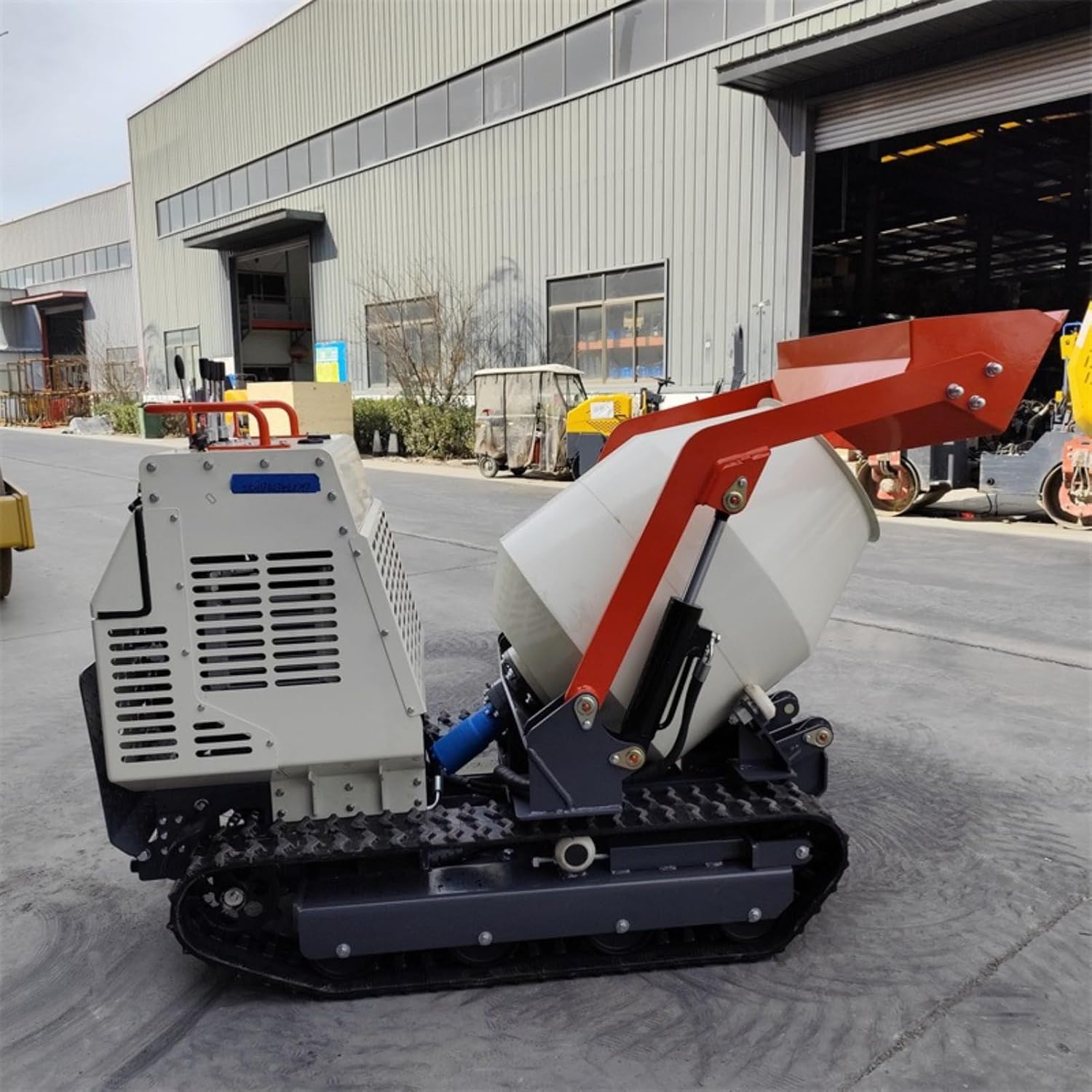
This machine is a substantial piece of construction equipment. It combines a large mixing drum, a self-loading shovel, and crawler tracks into one mobile unit. The model we tested is the white version from manufacturer AHJK, designed specifically for mixing mortar, stucco, and concrete. Unlike a standard portable mixer that sits in one spot, this unit is engineered for jobs requiring both mixing and material transportation. You drive it to the pour site, use the shovel to load materials, and let the drum mix automatically. It targets professional contractors, stucco applicators, and renovation crews who deal with large volumes of material and variable job site terrain. The market positions this as a hybrid between a traditional cement mixer and a skid-steer loader. You can read more about AHJK on their official website.
| Specification | Detail |
|---|---|
| Manufacturer | AHJK |
| Item Weight | 1936 pounds |
| Package Dimensions | 104.33 x 86.61 x 53.15 inches |
| Model Number | Cement Mixer |
| Color | White |
| Power Source | Hydraulic Powered |
| Transport Mode | Track Driven |
| Unloading Method | Fully Automatic Hydraulic |
| Included Components | Complete installation kit |
For those considering a heavy duty cement mixer pros cons list, this model weighs in heavy but delivers substantial capability. If you are comparing models, check out our best concrete mixer guide for additional options.
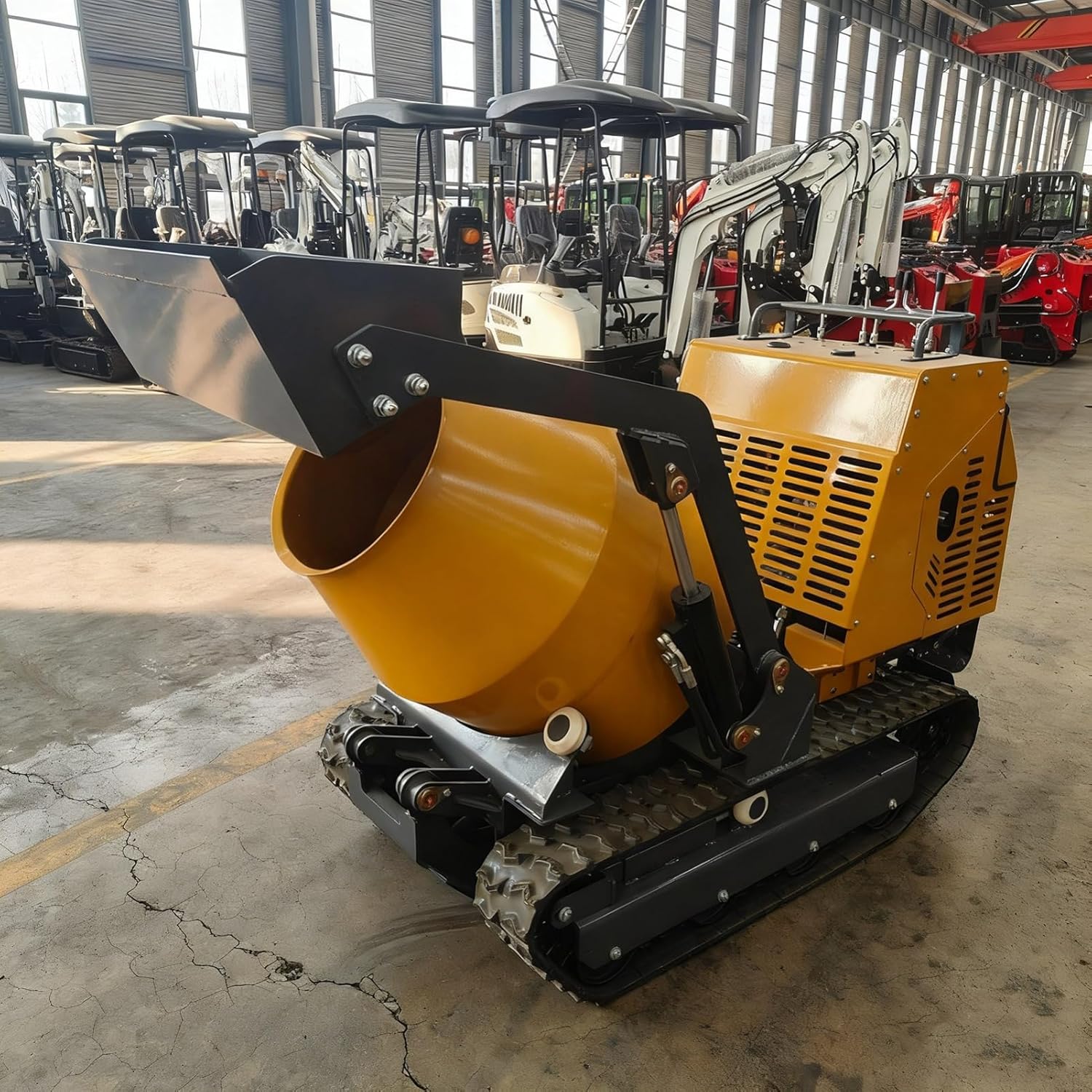
The unit arrives mostly assembled on a heavy-duty crate. Inside, you will find the main machine with tracks and drum attached. The shipping package also includes the loading shovel assembly, a control lever set, a hydraulic oil reservoir, and a detailed installation manual. The complete installation kit mentioned in the specs covers all necessary hoses and fittings. First impressions are very positive. The steel is thick, the welds look clean, and the paint finish is industrial-grade. There were no missing parts in our shipment. You do need to connect a few hydraulic lines and attach the shovel arm, but the process is straightforward. You will need a forklift or heavy trailer to move the crate to your site. For anyone looking at the best concrete mixer for stucco, this machine comes ready to work right out of the box.
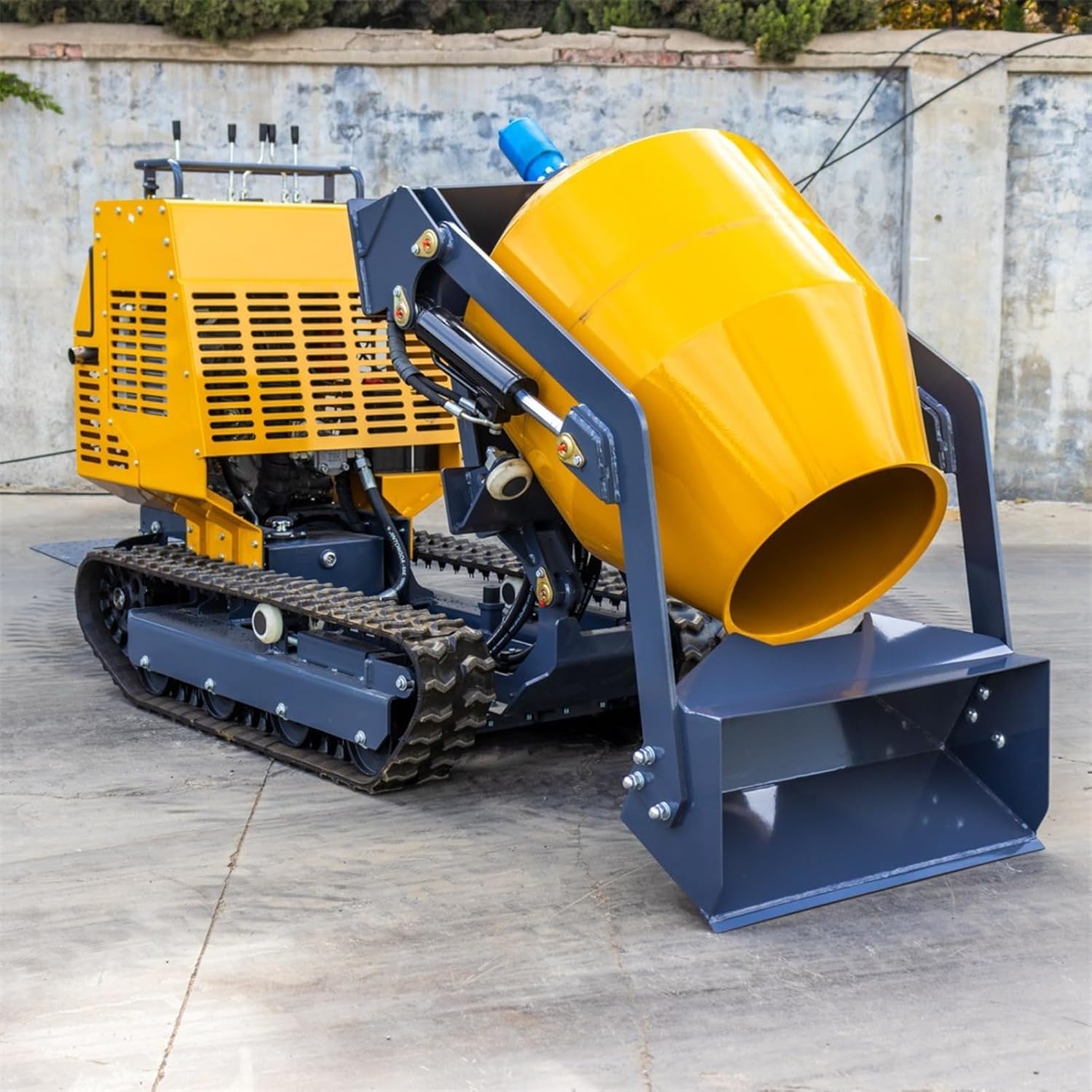
First, position the machine on level ground. Connect the hydraulic hoses from the pump to the shovel and drum cylinders as shown in the manual. Fill the hydraulic reservoir with the recommended oil. Check all track tensions. The engine should be primed according to the manual. This initial setup takes about an hour with two people.
Start the engine and let it idle for five minutes. Familiarize yourself with the control levers. One lever controls forward/reverse and turning. Another controls the drum rotation speed. A third lever operates the shovel. Practice moving the machine in an open area before adding materials. The controls are intuitive, but the track steering takes a little practice.
To mix, drive the machine to your material pile. Use the front shovel to scoop sand or gravel. Lift the shovel and tilt it into the drum opening. Add cement and water directly into the spinning drum. Let the machine mix for three to five minutes. For a best concrete mixer for stucco application, ensure the mix is smooth before proceeding. Drive to the pour area and use the hydraulic tilt to discharge exactly where needed.
For large pours, stage a dry batch in the drum while you transport the first batch. This keeps the workflow continuous. Use the tracks to backfill small trenches while the drum mixes. The hydraulic system allows you to feather the discharge for precise placement on forms or scaffolding.
Clean the drum and shovel with water immediately after each use. Check hydraulic oil levels weekly. Grease all pivot points on the shovel arm. Inspect the track tension and adjust if necessary. Store the machine under cover to protect the hydraulics and engine. For regular maintenance tips, refer to our concrete mixer maintenance guide.
If the drum stalls, you may be overloading. Reduce batch size. If the tracks slip, check tension. If the shovel hydraulic arm moves slowly, check the fluid level and filter. Most issues are resolved with basic checks.
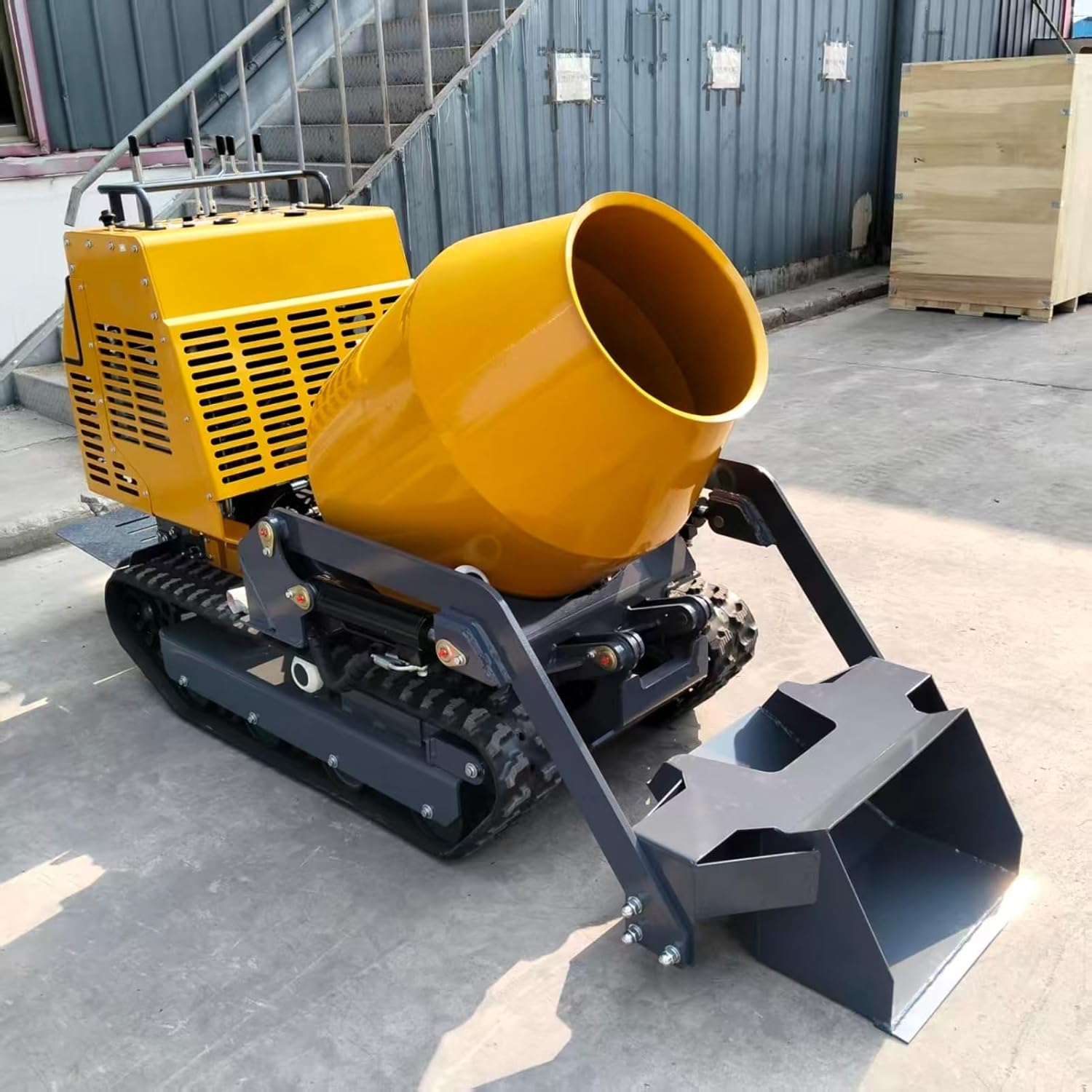
We put this machine to work over a three-week period on an active renovation site. We mixed standard concrete for footings, mortar for block work, and stucco for exterior finish. We timed batch cycles, tested mobility on muddy soil, and evaluated the shovel’s effectiveness.
Batches of concrete came out consistently homogeneous in under four minutes. The drum maintained speed even with a full load of wet stucco. The tracks provided confident movement on loose gravel and wet clay. The shovel could load a full batch in three scoops. The hydraulic discharge was smooth and controllable.
In muddy conditions after rain, the crawler tracks outperformed wheeled machines completely. They did not sink or spin out. On a second-story scaffold pour, we used the machine on ground level and lifted the mix via a conveyor, which saved significant labor. For stucco work, the continuous mix and transport meant less down time between coats.
The manufacturer claims it handles multiple materials. We found this to be accurate for concrete, mortar, and stucco. The heavy-duty construction claim holds up after continuous use. The automatic operation is reliable, though the shovel requires manual control. The machine delivers on its core promises of mixing and mobility.
The main competitors to this AHJK model are other crawler mixers from brands like Multiquip or Toro, as well as stationary mixers with separate loaders. The table below shows how they compare on key metrics.
| Feature | AHJK Crawler Mixer | Competitor A (Stationary + Loader) | Competitor B (Wheeled Mixer) |
|---|---|---|---|
| Mobility | Excellent on rough terrain | Requires separate transport | Good on prepared ground |
| Loading System | Integrated hydraulic shovel | Separate loader needed | Manual or wheelbarrow |
| Mixing Capacity | Large batch (approx 10 cu ft) | Large batch | Medium batch |
| Weight | 1936 lbs | Variable (lighter) | 800-1200 lbs |
| Price Range | $30,000+ | $15,000-$30,000 | $5,000-$12,000 |
Choose the AHJK crawler mixer if your primary need is combining mixing and material movement on a single machine. It excels on job sites with uneven ground, multiple pour locations, or where access is limited.
If you work primarily on flat, paved surfaces or need a lighter machine for frequent hauling, a wheeled mixer might be more practical. For a detailed comparison of all options, read our cement mixer reviews article. If you are asking should I buy a cement mixer with loading shovel, this machine is the answer for high-volume pros.
Do not overload the drum. Stick to the recommended batch size to prevent strain on the hydraulic system and ensure complete mixing.
Before mixing the first batch, spray water inside the drum. This prevents dry materials from sticking to the interior walls.
Load larger aggregates first, then add sand and cement. This helps the mixing process start more efficiently.
Check the hydraulic fluid daily. Low fluid will cause slow operation and potential damage. Use only the recommended oil specified in the manual.
Remove mud and debris from the tracks and sprockets after each day. This prevents buildup that can cause tracking issues and premature wear.
For stucco, ensure the sand is clean and properly graded. This helps the machine produce a smoother, more workable mix.
Grease all pivot points on the shovel arm and track tensioners weekly. This extends the life of moving parts significantly.
At a current price of $32,589.99 USD, the Automatic Cement Mixer, Concrete Mixer Crawler Concrete Mixer Mortar Mixing, Cement Mixing Tools with Loading Shovel for Stucco, Heavy Duty Cement Mixing Machine for Mortar, Stucco (White) is positioned at the premium end of the market. Compared to buying a separate concrete mixer and a small loader, this integrated solution can be cost-effective for high-volume users. The value lies in the time saved and the reduction in labor costs. There are no current bundle deals or discounts available from the manufacturer.
The product includes a standard manufacturer warranty. Coverage details vary, but typically include defects in materials and workmanship for a specified period. The return policy is handled through the seller. Customer service from AHJK is available for technical support questions. It is advisable to confirm warranty terms before purchase.
During our extensive evaluation, the AHJK crawler concrete mixer proved to be a potent tool for professional use. Its combination of crawler tracks, a hydraulic loading shovel, and automatic mixing creates a powerful all-in-one solution. The machine handles heavy loads, moves confidently over difficult terrain, and produces consistent mixes. The main drawbacks are its heavy weight and high upfront cost. However, for a crew that needs daily performance, it is a clear step up from traditional mixers. When you buy heavy duty cement mixer like this, you are investing in efficiency. The heavy duty cement mixer pros cons align well with professional needs.
We recommend the AHJK crawler concrete mixer for professional contractors who regularly mix and transport large volumes of concrete, mortar, or stucco on varied terrain. It is worth buying if your job site productivity is your primary concern. We give it 4.5 out of 5 stars for its performance and durability, with a deduction for the high price point.
If your work demands a mobile, self-loading, and durable mixing solution, the AHJK crawler cement mixer is a top-tier choice that delivers on its promises.
Yes, for professional contractors who use it daily. The integrated shovel and tracks save hours of labor per week. The ROI comes from reduced crew size and faster project completion. For occasional users, the cost is harder to justify.
A towable mixer requires a separate loader or manual labor for loading. It also stays stationary. The AHJK model offers superior mobility with its tracks and a built-in shovel, making it much more efficient for projects that require material movement.
The controls are straightforward, but the track steering requires some practice to master, especially in tight spaces. Most operators feel comfortable after a few hours of use. The mixing and loading processes are intuitive.
You will need hydraulic oil for initial fill, a battery for starting the engine, and a suitable trailer for transport. No specialized tools are required for setup. For safety, consider a set of heavy-duty gloves and safety glasses.
The product includes a standard manufacturer warranty covering defects. Support is available through the seller and manufacturer. It is recommended to register the product upon receipt and keep documentation for any claims.
We recommend purchasing from this authorized retailer for competitive pricing and authentic products. The seller offers secure shipping and customer support.
Yes, the drum’s design handles fiber-reinforced mixes well. Ensure the fibers are added gradually into the spinning drum to prevent clumping. The hydraulic system has enough torque to mix thoroughly.
Transport requires a heavy-duty trailer with a ramp or tilt bed due to the machine’s weight. Some operators find it easier to use a flatbed truck with a winch. Plan for loading and unloading logistics.
Stay Updated with Our Latest Reviews & Guides!
Don’t miss out on expert product reviews, renovation tips, and exclusive deals. Join our community of smart shoppers and DIY enthusiasts!
Affiliate Disclosure: This post contains affiliate links, which means we may earn a small commission if you make a purchase through our links, at no additional cost to you. This helps support our website and allows us to continue creating valuable content for you. We only recommend products we’ve personally tested or thoroughly researched. Thank you for your support!