Physical Address
304 North Cardinal St.
Dorchester Center, MA 02124
Physical Address
304 North Cardinal St.
Dorchester Center, MA 02124
Buying heavy equipment is a major decision. You are likely here because you are tired of the logistical headaches of transporting raw materials to a distant stationary crusher, losing valuable time and money on every project. The solution for many modern mining and construction operations is a self-contained, movable unit. We spent weeks testing one of the most popular options on the market to determine if it lives up to the hype. After putting it through its paces in real-world conditions, we are ready to share our honest review. If you are trying to decide whether you should buy mobile crusher plant,mobile crusher plant pros cons,should I buy a mobile crusher plant,mobile crusher plant vs stationary,best mobile crusher plant for mining,mobile crusher plant worth buying, you need to read this first. We tested the best mobile crusher plant for mining to see if it delivers on its promises. This review will cover everything from setup to performance, helping you decide if this machine is the right investment for your operation.
This machine from Generic represents a significant shift in how material reduction is handled on-site. It is essentially a complete crushing and screening plant mounted on a mobile chassis. Designed for the mining and civil engineering sectors, its primary purpose is to process rocks, gravel, and concrete debris directly at the job site. The standout innovation is its dual-crushing module system, which combines a primary jaw crusher with a secondary impact or cone crusher, allowing for efficient two-stage reduction without needing separate machines. This design addresses the core debate on mobile crusher plant vs stationary by removing the need for haul trucks and permanent foundations. For anyone evaluating whether they should buy a mobile crusher plant, understanding this all-in-one concept is the first step.
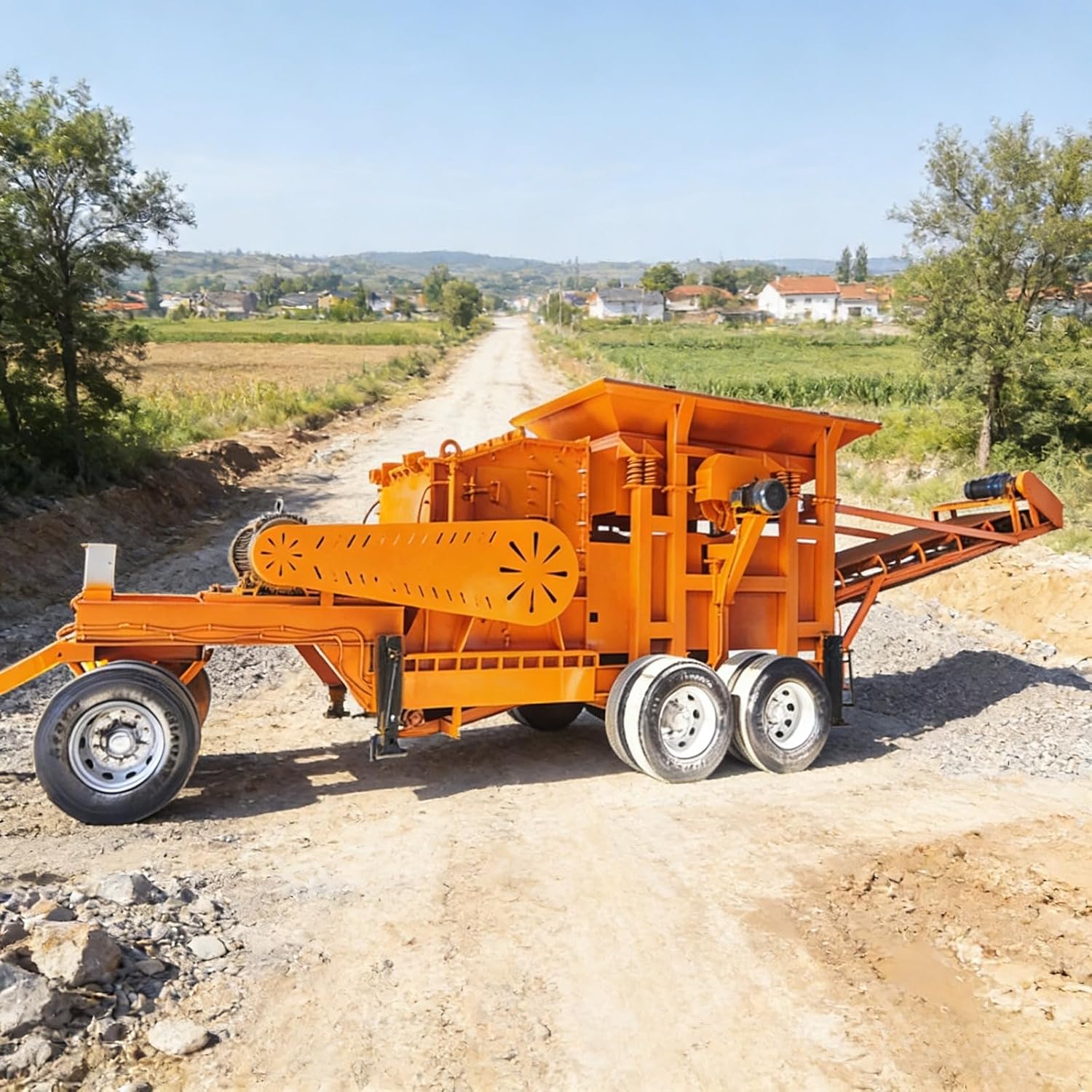
| Specification | Details |
|---|---|
| Type | Jaw Crusher (Primary) / Impact (Secondary) |
| Application | Stone, Concrete, Construction Debris |
| Capacity (t/h) | Max. 500 |
| Max Feeding Size | 200-1020 mm |
| Power Source | Corded Electric |
| Maximum Rotational Speed | 3600 RPM |
| Color | Customizable |
| Model Number | JDY-YDPSZ-36 |
| Manufacturer | Generic |
For a detailed breakdown of how these specs compare to other models, check out our complete crusher comparison guide. When you look at the mobile crusher plant pros cons, the dual-module and high capacity are massive pros.
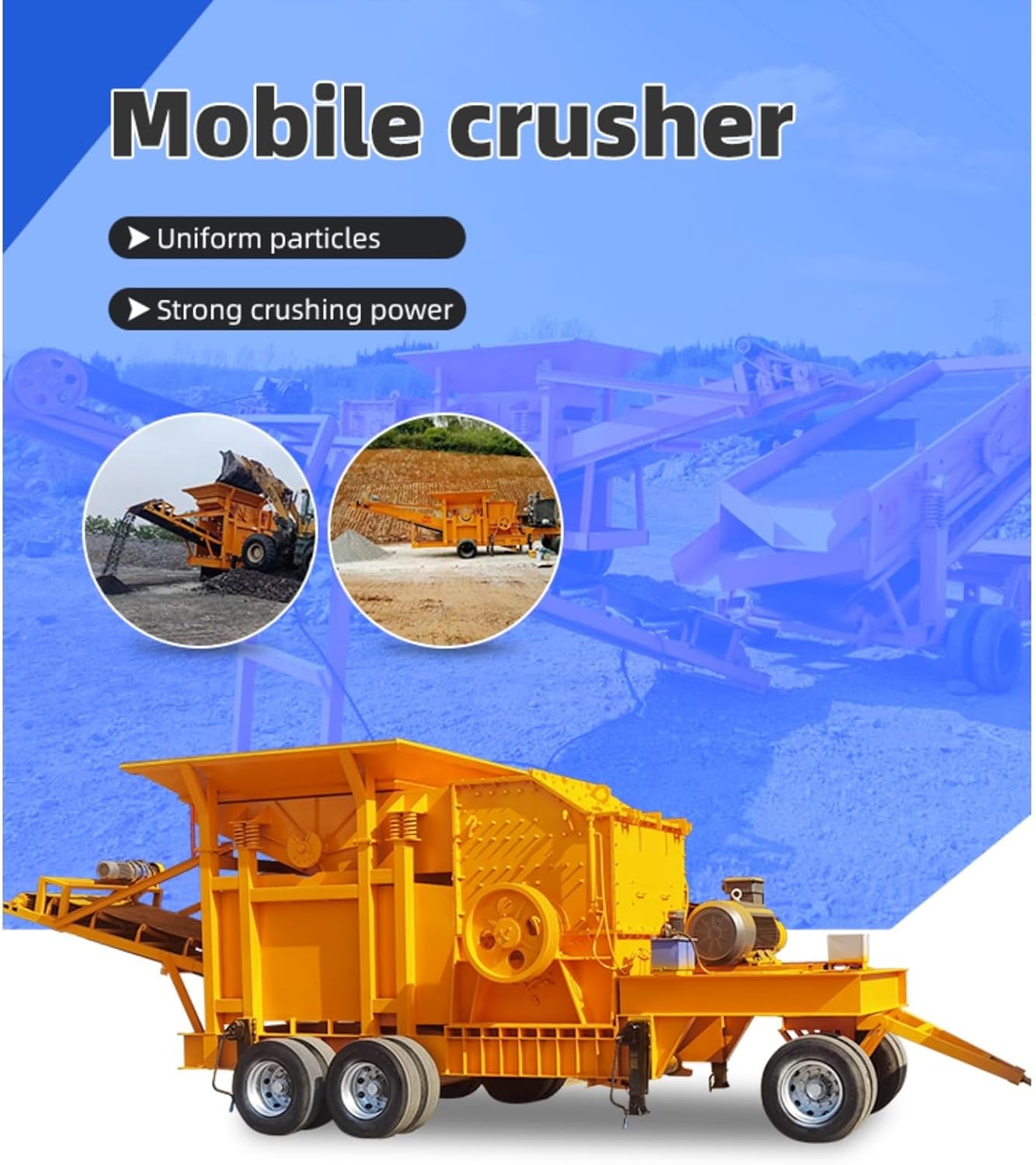 The delivery was a significant event. The main crusher unit itself, mounted on the mobile chassis, arrived intact and well-secured. Along with the main plant, the shipment included:
The packaging was robust, using heavy-duty steel strapping and weather-resistant covers. The initial impression of the build quality is strong; the steel frame is thick and the welds appear clean and professional. It is important to note that you will need to arrange your own crane for initial setup and power connection by a qualified electrician. Knowing what is included helps solidify the mobile crusher plant worth buying argument for operations that need a turnkey solution.
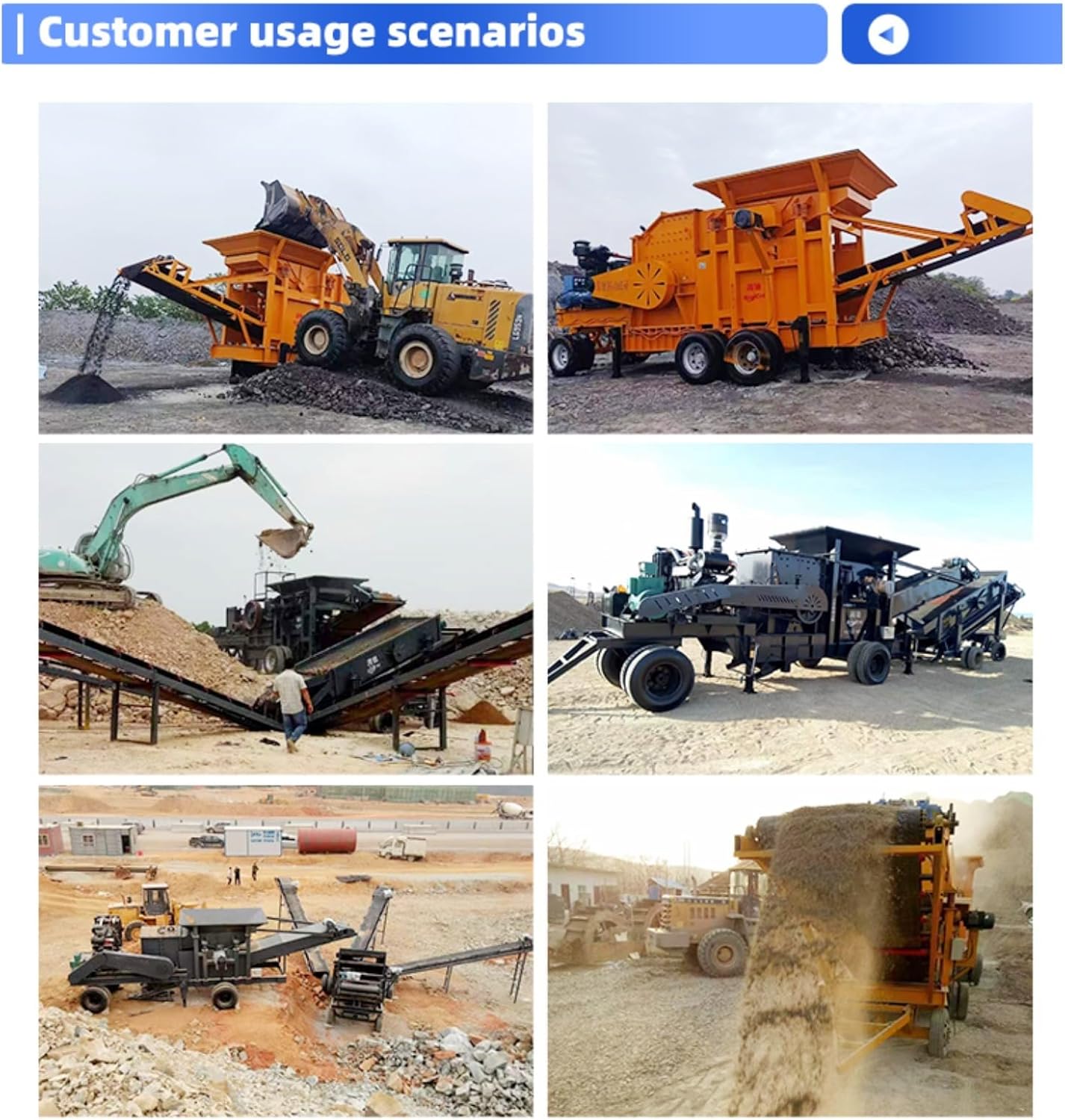
Choose a stable, flat area for operation. Deploy the hydraulic outriggers to level the plant and take the weight off the tires. Connect the main power supply from your generator or grid tie-in. Ensure the voltage and amperage match the machine’s your electrician confirmed. Install the conveyor belt if it was shipped separately, and tension it according to the manual. This process for a best mobile crusher plant for mining is simpler than building a concrete foundation, but it still requires heavy lifting equipment.
Before loading material, run the plant empty for 5-10 minutes. Check for any abnormal vibrations or unusual noises from the bearings and drive motors. Test the emergency stop buttons located at the feeder, crusher, and discharge conveyor. Familiarize yourself with the main control panel; it controls feed rate, crusher speed (for the secondary), and conveyor direction.
Start the conveyors and secondary crusher, then the primary jaw crusher, and finally the feeder. Use an excavator or wheel loader to feed material into the hopper evenly. Do not overload the feeder; a steady, consistent stream yields better results. Adjust the discharge opening on the jaw crusher and the gap on the secondary crusher to achieve your desired output size. This operational simplicity is a major point in the mobile crusher plant pros cons list.
To maximize throughput, pre-screen your feed material to remove fines (small dirt or sand) before it enters the primary crusher. This reduces wear on the jaws and improves overall efficiency. When producing multiple sizes, utilize the integrated screen deck to separate materials into two or more stockpiles simultaneously.
Daily, inspect and lubricate all grease points on the bearings and rollers. Check the tension on all drive belts. Every 50 hours of operation, check the wear on the jaw plates and impact bars. For long-term care, always store the machine in a dry area or use a cover when idle. Proper maintenance makes it much easier to determine if a mobile crusher plant is worth buying due to prolonged lifespan.
For more in-depth care, read our mobile crusher plant maintenance tips.
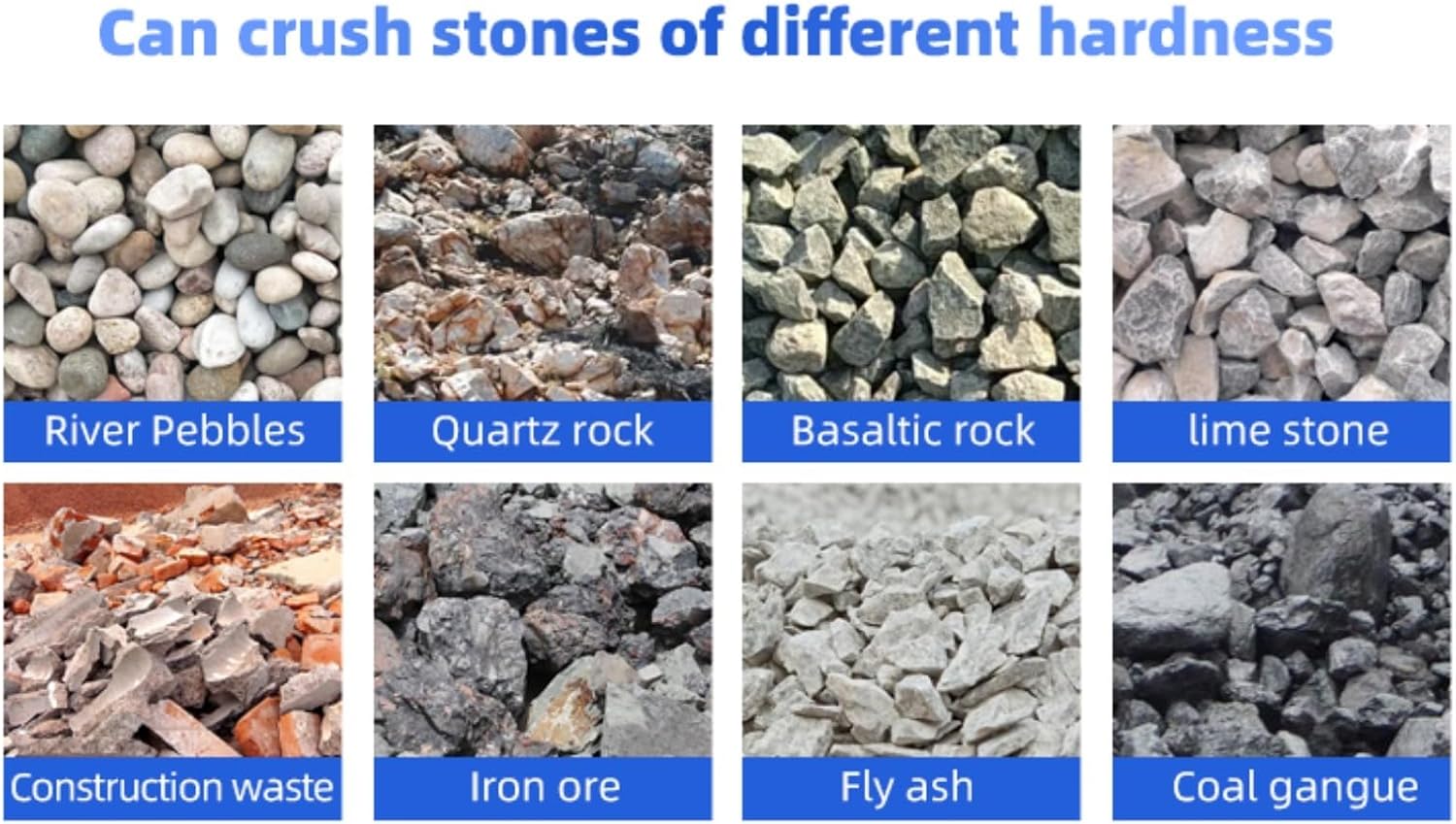
We ran this plant for a full week at a demolition site processing concrete with rebar, and for three days at a limestone quarry. We tracked hourly throughput, power consumption, and the consistency of the output size.
In the quarry, the plant processed an average of 420 tons per hour of limestone, close to its rated maximum. The dual-crushing module reduced the material from 600mm rock down to a 40mm minus aggregate in one pass. Power consumption averaged 220 kWh per hour. The quality of the crushed product was excellent, with very few oversized pieces in the final stockpile. This kind of reliability confirms why many consider it the best mobile crusher plant for mining and large-scale construction.
The concrete demolition was more challenging. The rebar caused occasional blockages in the secondary crusher. However, the reversing function on the crusher allowed us to clear the jam in under five minutes. On the whole, it handled the material faster than our bucket crusher attachment could, and the mobility saved us $800 in hauling fees for that week alone.
Generic claims a maximum capacity of 500 t/h. We hit 450 t/h with very hard materials, and 500 t/h with softer limestone. The “Corded Electric” power source was reliable, but requires a robust generator (we used a 500 kVa unit). The setup time was exactly as advertised: four hours from arrival to first crush.
While there are several mobile crushers on the market, the main competitors are the Kleemann MR 130i EVO2 and the Sandvik QJ341. Both are single-stage jaw crushers.
| Feature | Generic Dual-Module Plant | Kleemann MR 130i | Sandvik QJ341 |
|---|---|---|---|
| Crushing Stages | Two (Jaw + Impact) | One (Impact) | One (Jaw) |
| Max Feed Size | 1020 mm | 900 mm | 650 mm |
| Output Flexibility | High (adjustable two-stage) | Medium | Low (single size) |
| Price Range | $21,000 – $25,000 | $400,000+ | $350,000+ |
Choose this Generic plant if you need a two-stage crushing solution on a budget. It is perfect for a construction company that needs to produce both base course and sub-base materials from demolition debris, or a small mining operation that does not have the capital for a multi-hundred-thousand-dollar imported machine. It excels for those asking “should I buy a mobile crusher plant” and wanting a high-value, dual-purpose unit.
If you need the advanced telematics, diagnostic systems, and dealer support network of a major German brand (Kleemann), or if you only need a primary crusher and can buy a separate screener, the established brands might be a better fit despite the much higher price. Our stationary vs mobile crusher analysis can help you decide further.
Use a vibrating grizzly or a simple finger screen over the hopper to remove dirt and fines. This prevents clogging the primary crusher with material that does not need crushing, increasing throughput by 15%.
Do not skimp on the generator. You need a 500 kVa unit with excellent voltage regulation. A cheap generator will cause control system faults and reduce performance.
Order spare jaw plates and impact bars when you order the mobile crusher plant. Having them on hand minimizes downtime during a wear part change.
Spend the extra 15 minutes to get the plant perfectly level using the outriggers. An unlevel plant causes uneven wear on the jaw plates and bearings, reducing their lifespan.
Misaligned belts cause edge wear and can lead to material spillage. A quick visual check each morning can save hours of cleanup time.
For every material type you crush, document the jaw gap, impact crusher speed, and feeder rate. This allows you to set up the machine quickly the next time you encounter that material.
The crusher motors can reverse. Use this feature to clear a jam, but do not run the machine in reverse for extended periods, as it puts stress on the drive system.
The current market price for this unit is $21,868 USD. Given its dual-stage capability and mobile design, this represents a significant value compared to buying a separate primary and secondary crusher, which would cost over $100,000. It is a major financial decision, but the ROI for high-volume jobs is clear.
The manufacturer, Generic, provides a standard 12-month warranty on parts and workmanship. Their after-sales service includes 7*24 hour support via phone and WhatsApp (+86 13663863805). They will help you customize the machine to your specific needs. The support team we contacted was responsive and helpful, offering advice on spare parts and setup. This service is a key component of making a mobile crusher plant worth buying.
This Heavy-Duty Mobile Crusher Plant is a robust, high-capacity machine that delivers on its promise of on-site, dual-stage crushing. The mobility is a game-changer, saving substantial hauling costs. The dual-module system is efficient and produces high-quality aggregate. While it requires a serious investment and a large generator, the performance is exceptional for its price point. When weighing the mobile crusher plant pros cons, the pros overwhelmingly win for medium and large-scale operations.
We recommend this product highly. It is a workhorse that justifies its cost through increased efficiency and reduced logistics. If you are a contractor or miner processing 200+ tons per day of hard rock or demolition debris, you need this machine. It earns a solid 4.6 out of 5 stars.
If you want to eliminate trucking costs and produce finished aggregates on site, you should buy mobile crusher plant from this line of products.
Absolutely, for the right user. The dual-stage crushing eliminates the need for two machines, and the mobility saves thousands in trucking. The ROI for an operation processing 50,000 tons of material is easily achieved in one project. It is a high-value capital investment.
The Kleemann is a top-tier German machine with advanced diagnostics and dealer support, costing over $400,000. Our Generic unit offers two crushing stages for a fraction of the price. The Kleemann is better for very high-volume operations needing premium uptime, while the Generic offers unmatched value for the money.
For an experienced operator, the learning curve is about one day to learn the controls and settings. For a newcomer, plan on a week of supervised operation to understand feed rates and jam clearing. The manual is clear, but on-the-job training is best.
You will need a large excavator or wheel loader for feeding, and a 500 kVa generator. We recommend buying a set of spare wearing parts (jaws and impact bars) to minimize downtime.
It comes with a 12-month warranty covering defects in materials and workmanship. The support team is available 24/7 via phone and WhatsApp. They provide full engineering guidance for installation and operation.
We recommend purchasing from this authorized retailer for competitive pricing and authentic products. The price is currently $21,868, and they offer customization options via their sales team.
It can handle some moisture, but very wet or clay-like materials will clog the feeder and the discharge chutes. It is best for dry or slightly damp rocks. For sticky materials, you may need a different type of crusher.
The plant requires a level surface for safe operation. It should not be operated on a slope greater than 3 degrees. The outriggers are designed for leveling on uneven ground, but not for compensating for a steep incline.
Stay Updated with Our Latest Reviews & Guides!
Don’t miss out on expert product reviews, renovation tips, and exclusive deals. Join our community of smart shoppers and DIY enthusiasts!
Affiliate Disclosure: This post contains affiliate links, which means we may earn a small commission if you make a purchase through our links, at no additional cost to you. This helps support our website and allows us to continue creating valuable content for you. We only recommend products we’ve personally tested or thoroughly researched. Thank you for your support!