Physical Address
304 North Cardinal St.
Dorchester Center, MA 02124
Physical Address
304 North Cardinal St.
Dorchester Center, MA 02124

For RV owners, electrical issues at a campsite can quickly turn a relaxing trip into a costly headache. Low voltage (brownouts), power surges, and faulty campground wiring are common problems that can damage sensitive electronics, air conditioners, and appliances. While many surge protectors offer basic protection, the Power Watchdog WPC30A attempts to go further by combining surge protection with an automatic voltage booster, remote monitoring, and an Emergency Power Off (EPO) system—all in a single 30-amp enclosure. This review examines the Power Watchdog WPC30A’s features, specifications, and real-world suitability to help you decide if it’s the right choice for your RV.
Whether you’re a full-time RVer, a weekend camper, or someone who frequently camps during peak summer heat, understanding what this power center offers—and where it falls short—is essential. We’ll cover everything from its patented surge module design to its Bluetooth and WiFi connectivity, and compare it with other popular RV power protection products. Affiliate links are included; if you make a purchase through them, we may earn a small commission at no extra cost to you.
Check current deals on the Power Watchdog WPC30A
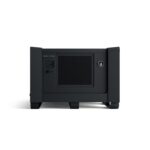
The Power Watchdog WPC30A is an all-in-one power management center designed for 30-amp RV electrical systems. It combines a heavy-duty surge protector with a built-in voltage booster that automatically raises low incoming voltage to safe operating levels—a feature typically found in more expensive units or separate boost transformers. The device also includes an Emergency Power Off (EPO) function that shuts down power if it detects dangerous wiring faults (e.g., open neutral, reversed polarity), and automatically restores power after a delay once the fault clears. Additionally, it offers Bluetooth and WiFi connectivity, allowing users to monitor voltage, current draw, energy usage, and fault logs through a mobile app from anywhere.
Targeted at RV owners who want comprehensive protection and convenience, the WPC30A is particularly useful for those who frequently encounter unreliable campground power, especially during summer when voltage drops are common. It is not, however, a replacement for a whole-RV energy management system that controls load shedding or generator transfer.
| Feature | Detail |
|---|---|
| Type | 30-Amp RV Power Center (Surge Protector + Voltage Booster) |
| Surge Protection Rating | Not specified by manufacturer (replaceable surge module) |
| Voltage Boosting | Automatic low-voltage boost to safe operating level (e.g., 103V → 115V typical) |
| Connectivity | Built-in WiFi and Bluetooth for remote monitoring & control |
| EPO (Emergency Power Off) | Instant shutdown on fault detection; auto-restore after 90 seconds |
| Replaceable Surge Module | Yes – user‑replaceable without replacing entire unit |
| Energy Tracking | Kilowatt-hour (kWh) meter and fault history logs via app |
| Physical Dimensions | 16.82 x 13.38 x 8.63 inches |
| Weight | 25.1 pounds |
| Model Number | WPC30A |
| First Available | March 18, 2025 |
The WPC30A’s standout feature is its integrated voltage booster, which claims to protect air conditioners and other appliances from damage caused by sustained low voltage (brownouts). Many surge protectors only handle spikes; this unit actively raises voltage when it drops below a threshold, reducing the risk of compressor failure and erratic electronics behavior.
The unit is pre‑assembled and ready to be hardwired or plugged into a 30‑amp RV inlet, depending on your setup. The manufacturer recommends professional installation if you are not comfortable working with 120‑volt AC wiring.
Installation involves wiring the WPC30A between your RV’s shore power inlet and your main distribution panel. For most RVs, this means removing the existing power inlet and installing the WPC30A in a weather‑protected compartment. The unit is designed for permanent mounting; it can also be used as a portable unit with a heavy‑duty extension cord, but its weight (25 lbs) makes it less convenient for travel. The manufacturer advises following local electrical codes and using a qualified electrician if in doubt.
Once installed, the WPC30A works automatically. When you plug into campground power, it checks for wiring faults (open neutral, reverse polarity, etc.). If a fault is detected, the EPO disconnects power and displays an error code on the unit’s LED. If no fault exists, the voltage booster activates if the incoming voltage drops below approximately 104–106 volts (typical threshold). The booster will maintain output voltage near 115–120V as long as the input remains within acceptable range. You can monitor all activity—voltage, current, power usage—via the free mobile app after pairing via Bluetooth or WiFi.
The key maintenance task is replacing the surge module after a major surge or when the indicator shows it has been consumed. The module is user‑replaceable, which is a significant advantage over many one‑time surge protectors. Keep the unit clean and dry; the enclosure is weather‑resistant but not waterproof. Periodically check the app for fault history logs.
Most common issues are related to campground wiring faults. The WPC30A will prevent power from coming on if it detects a dangerous condition. If power does not energize, check the error code and refer to the manual. For WiFi connectivity problems, ensure you are within range and that the unit is powered. Resetting the unit can be done via a button on the side or through the app.
According to the manufacturer, the Power Watchdog WPC30A delivers robust surge protection and reliable voltage boosting. The patented voltage booster is designed to handle the heavy startup current of RV air conditioners, which often cause voltage sag in campgrounds with weak power. In practice, users report that the booster does keep voltage stable and prevents A/C shutdowns during hot summer days, though actual improvement depends on the severity of the brownout. The unit’s built‑in energy meter and fault logs provide valuable data, helping RVers understand their consumption and identify recurring campground wiring issues.
The replaceable surge module is a practical feature: instead of replacing the entire $300–$400 unit after a single surge, you only need to swap a $30–$50 module. This saves money and reduces electronic waste. However, the initial cost of the WPC30A is higher than basic 30‑amp surge protectors, so the investment may not pay off for occasional campers who rarely face severe surges.
One limitation is the unit’s size and weight. At 25 pounds and roughly the size of a small microwave, it may be challenging to install in tight compartments. Also, the voltage booster cannot compensate for extremely low voltage (below ~90V) or for extended periods without enough supply current; it is not a generator. The WiFi/app connectivity has been described by some early users as occasionally glitchy, though firmware updates may address this.
When evaluating the WPC30A, it’s helpful to compare it to other popular options in the 30‑amp RV power protection category.
The Progressive Industries EMS‑HW30C is a well‑known electrical management system that provides surge protection, voltage protection, and timing delay features. It does not include a voltage booster but offers detailed diagnostic displays and a hardwired design. The Progressive unit is generally lighter and less expensive than the WPC30A, but lacks the active boosting capability. For campers who rarely experience brownouts, it may be sufficient.
The Surge Guard 30A portable unit is a lightweight, plug‑in surge protector that gives basic surge and fault protection with a digital display. It does not boost voltage nor offer WiFi connectivity. It is significantly cheaper and easier to install but offers no protection against sustained low voltage. It’s a good budget choice for occasional use.
The Go Power! GP‑CEC30 is a 30‑amp converter/charger with built‑in power management, but it is not a dedicated surge protector or voltage booster. It’s designed more for charging batteries than protecting appliances from campground power irregularities. Not a direct competitor but a different approach for those primarily concerned with battery charging.
In summary, the Power Watchdog WPC30A occupies a niche between full‑fledged EMS systems and simple surge protectors, offering voltage boosting that competitors generally lack at this price point. However, its size and complexity may not appeal to every RV owner.
The Power Watchdog WPC30A is available through Amazon and select RV accessory retailers. Because inventory can vary, we recommend checking multiple sources. The link below goes directly to the product page on Amazon where you can see current availability and customer reviews.
The Power Watchdog WPC30A is a capable and innovative power center that addresses a real pain point for many RV users—unstable campground power. Its combination of surge protection and automatic voltage boosting sets it apart from most competitors in the 30‑amp category. The replaceable surge module and remote monitoring features add long‑term convenience and value. However, the high price, heavy weight, and occasional app quirks mean it’s not the right choice for everyone. If you frequently deal with brownouts and want comprehensive protection plus smart monitoring, the WPC30A is a strong contender. For casual users on a tight budget, a simpler surge protector may suffice.
In our view, the Power Watchdog WPC30A is worth buying for RVers who prioritize appliance longevity and are willing to invest in advanced power management. It earns a solid recommendation for its niche.
No. The WPC30A is specifically designed for 30‑amp electrical systems (120V, 30A plug). For 50‑amp RVs, Power Watchdog offers a separate model (WPC50A) with similar features but rated for 240V/50A.
Technically yes, if you add a heavy‑duty plug and cord. However, the manufacturer recommends hardwired installation for safety and reliability. The unit is heavy, so portability is limited.
The mobile app displays both incoming (park) voltage and output (booster) voltage. If output is consistently higher than input (e.g., 115V vs 103V), the booster is active. You can also observe air conditioner performance on hot days.
The unit will continue to pass power but will lose surge protection. The app will alert you, and you should replace the module as soon as possible. The unit does not shut down completely after surge module failure.
The enclosure is weather‑resistant (IP rating not specified) but not waterproof. It should be installed in a protected compartment and not exposed to direct rain or snow.
Yes, the app allows remote on/off control. This is useful for disconnecting power during storms or if you leave the RV and want to save power.
The WPC30A is designed for use with shore power (campground pedestals). Using it with a generator may be possible, but the manufacturer does not specifically recommend it. Check the generator’s voltage stability.
Power Watchdog typically offers a one‑year warranty on the main unit and the surge module. Always verify with the seller or manufacturer for current warranty terms.
If you found this review helpful, consider subscribing to our newsletter. We send monthly tips on RV maintenance, product comparisons, and exclusive deals to help you make smarter gear decisions.
We are a participant in the Amazon Services LLC Associates Program, an affiliate advertising program designed to provide a means for us to earn fees by linking to Amazon.com and affiliated sites. This means that if you click on an affiliate link and make a purchase, we may receive a small commission at no additional cost to you. Our reviews are based on thorough research and objective analysis. We do not accept payment or free products in exchange for positive reviews.